
Album guide
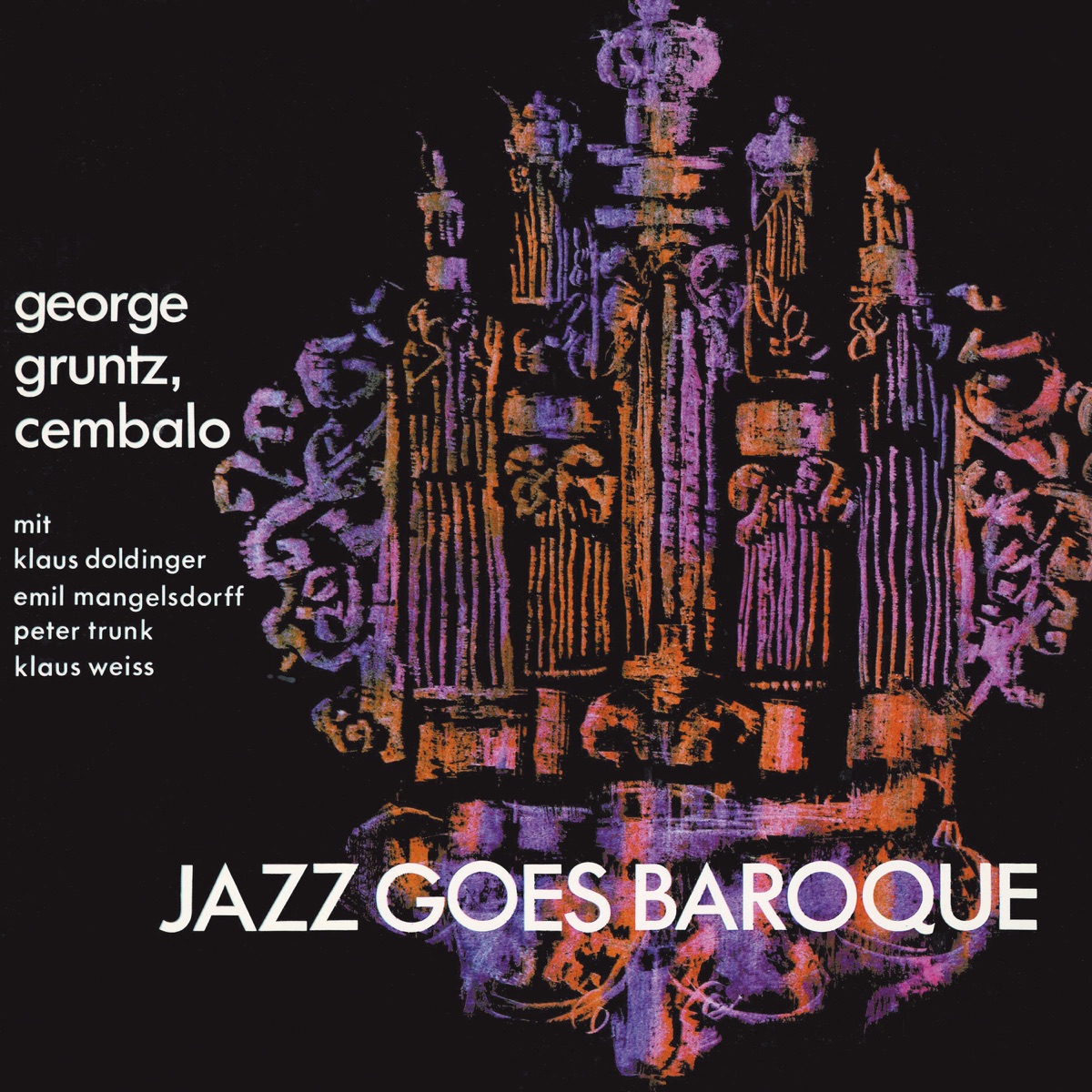
Jazz Goes Baroque
- Released
- 1964
- Label
- MPS Records
- Forces
- Harpsichord, Flute, Clarinet, Saxophone, Quartet
- Personnel
- George Gruntz, Marcel Peeters, Jimmy Woode and Grady Tate
Gruntz was a Swiss keyboard player trained at the conservatoires in Basel and Zurich.
For Jazz Goes Baroque, he chose ten pieces that, in his words, “could be interpreted in the jazz idiom easily and without distortion”; the arrangements still range from a Handel bossa nova to hard-driving Pachelbel.
Hear both
The classical side contains only the source pieces used on the album, in album order. The jazz side presents the complete album whenever a dependable copy can be embedded.
The classical player follows the ten source groups in album order; the Handel and Corelli medleys are expanded into their named movements.
You can hear the album on Spotify below.
Spotify’s player is here for convenience; the full track listing below remains available to everyone.
Source works
The album’s complete track listing, with each classical source identified and original compositions marked plainly.
- Das Frauenzimmer verstimmt sich immerTelemann: Das Frauenzimmer verstimmt sich immer
- The Earl Of Salisbury (Pavana)Byrd: The Earl of Salisbury — Pavan
- Le Croc En JambeCouperin: Le Croc-en-jambe
- Gavotte En RondeauMarais: Rondeau No. 24 (Gavotte en rondeau; formerly attributed to Lully)
- Ouverture - Bourrée - Hornpipe (from “The Watermusic”)Handel: Water Music — Overture, Bourrée and Hornpipe
- Ciacona F minorPachelbel: Ciacona in F minor
- Lachrimae Antiquae PavanDowland: Lachrimae antiquae pavan
- Musette En Rondeau (from “Les Indes Galantes”)Rameau: Les Indes galantes — Musette en rondeau
- CorrenteFrescobaldi: Corrente
- Corrente - Gavotta from the Concerto grosso No. 9 in F majorCorelli: Concerto grosso in F major, Op. 6 No. 9 — Corrente and Gavotta